
Website Development Services: Build a Strong Online Presence for Your Business
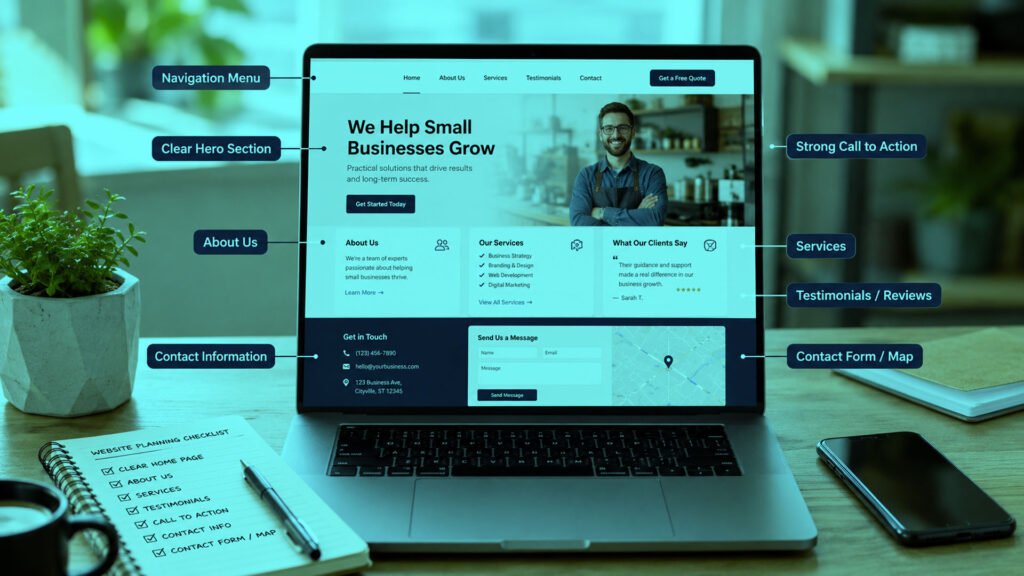
A professional website is more than an online address. It helps businesses introduce their services, communicate their value, connect with potential customers, and build credibility in an increasingly digital world. Whether you operate a startup, an established company, an online store, or a global brand, your website plays an important role in how people discover and evaluate your business.
However, simply having a website does not guarantee results. Visitors expect fast loading pages, mobile friendly layouts, clear navigation, useful information, and a straightforward way to get in touch. Businesses need websites that combine thoughtful design, reliable development, and a user experience that supports their goals.
Website development services help turn these requirements into a functional, engaging, and scalable online platform. From business websites and ecommerce stores to custom web applications, professional development gives organizations the digital foundation they need to grow.
At Marpix Media, we recognize that every business has different requirements. Our approach focuses on creating digital experiences that reflect each brand, serve its audience, and support long term business objectives.
What Are Website Development Services?
Website development services cover the planning, building, testing, and maintenance of websites. These services may include front end development, back end programming, content management system integration, ecommerce functionality, website performance optimization, and ongoing technical support.
Front end development focuses on the elements visitors interact with, including page layouts, navigation, forms, animations, and responsive design. Back end development manages the functionality behind the scenes, such as databases, user accounts, content processing, and server side operations.
Depending on the project, businesses may require a simple informational website, a customized corporate platform, an online store, or a more complex web application.
Professional website development brings these elements together to create a platform that works reliably and delivers a consistent experience across different devices and browsers.
Why Does Your Business Need a Professional Website?
A website often serves as the first point of contact between a business and a potential customer. Its design, performance, and content can influence whether visitors explore further or leave without taking action.
Build Credibility and Customer Trust
Customers want to understand who they are dealing with before making a purchase or requesting a service. A professional website provides space to explain your business, introduce your team, present your services, and answer common questions.
Accurate information, transparent contact details, authentic testimonials, and relevant examples of previous work help visitors make informed decisions. A consistent brand identity across your website and other marketing channels also creates a more professional impression.
Reach Customers Worldwide
A website allows businesses to introduce their products and services to audiences beyond their immediate location. With appropriate search engine optimization, relevant content, and international accessibility, organizations can attract visitors from different countries and markets.
Businesses targeting multiple regions may also benefit from localized content, suitable language options, and region specific contact information.
Support Marketing and Lead Generation
Digital marketing campaigns perform better when visitors arrive at a website that matches their expectations. A dedicated landing page can explain an offer, demonstrate its value, and encourage visitors to submit an inquiry or request a consultation.
By connecting website analytics with marketing campaigns, businesses can identify useful traffic sources and understand how visitors interact with their content.
Improve the Customer Experience
Clear navigation, readable content, accessible design, and responsive layouts help visitors find information without unnecessary effort. A smooth experience can encourage people to explore services, compare products, and contact your team.
Types of Website Development Services
Different businesses need different website features. Selecting the right development approach depends on your objectives, audience, budget, and plans for future growth.
1. Business Website Development
A business website introduces your company, explains its services, and provides essential information to prospective customers. It commonly includes a homepage, about page, service pages, contact information, and supporting content.
For service based companies, the website should communicate what the business offers, who it serves, and why customers should consider working with it.
Marpix Media understands the importance of aligning website structure, visual identity, and messaging so businesses can present themselves consistently across digital channels.
2. Custom Website Development
Custom website development is suitable for businesses that require functionality beyond a standard template. This may include specialized booking systems, customer portals, interactive dashboards, advanced search features, or integrations with external business software.
The process begins by identifying the requirements and translating them into a practical development plan. Developers then create the necessary architecture, implement features, test functionality, and prepare the website for launch.
Custom development can provide greater flexibility, but it may require more time, investment, and ongoing technical support than a simpler website.
3. Ecommerce Website Development
An ecommerce website allows businesses to display products, manage inventory, accept orders, and process payments through an online store.
A successful ecommerce platform needs more than an attractive product catalog. Customers should be able to browse categories, filter products, review product details, add items to their cart, and complete checkout with minimal friction.
Important ecommerce features include secure payment integrations, mobile friendly product pages, inventory management, shipping options, order notifications, and customer support information.
Businesses should also consider accessibility, privacy, consumer protection requirements, and the security of customer data when developing an online store.
4. WordPress Website Development
WordPress is a widely used content management system that enables businesses to manage website content without editing every page manually. It can support corporate websites, blogs, service pages, portfolios, and many types of online stores.
WordPress website development may include theme customization, page builder configuration, plugin integration, custom functionality, and performance optimization.
The quality of a WordPress website depends on its implementation. Choosing reliable hosting, maintaining software updates, limiting unnecessary plugins, and implementing appropriate security measures helps support stability and performance.
For businesses that regularly publish articles or update service information, WordPress can provide a practical and flexible content management solution.
5. Responsive Website Design and Development
People access websites through smartphones, tablets, laptops, and desktop computers. Responsive website development helps content and layouts adapt to different screen sizes.
A responsive website should keep text readable, buttons easy to use, images appropriately sized, and navigation accessible on smaller screens.
Mobile usability also supports search visibility and customer satisfaction. Testing across devices and browsers helps identify layout problems before they affect visitors.
6. Web Application Development
Some businesses need interactive platforms that perform specific tasks rather than simply displaying information. Web application development can support customer dashboards, online booking systems, project management tools, membership platforms, and business process automation.
These projects require careful planning around user permissions, data handling, integrations, scalability, and security.
A well designed web application should make complex tasks easier for users while providing the functionality and reliability the business requires.
Essential Features of a High Performing Website
A website should combine visual appeal with technical reliability and practical functionality. Several core features contribute to a stronger online experience.
Fast loading performance: Optimized images, efficient code, suitable hosting, and careful use of third party scripts can improve loading speed and responsiveness.
Mobile friendly design: Flexible layouts help visitors navigate and interact with your website on different screen sizes.
Search engine friendly structure: Clear headings, descriptive page titles, crawlable links, meaningful URLs, and useful content help search engines understand your website.
Secure browsing: HTTPS, secure authentication where required, updated software, and appropriate access controls help protect websites and their users.
Accessible interfaces: Readable contrast, descriptive image text, keyboard navigation, and properly labeled forms help make websites more usable for people with different needs.
Clear calls to action: Contact forms, consultation requests, product buttons, and other relevant actions should be easy to identify.
Scalable architecture: A well planned website should allow new pages, features, and integrations to be introduced as business needs evolve.
Marpix Media emphasizes the value of combining these practical requirements with a consistent visual identity and a clear understanding of the intended audience.
Website Development and Search Engine Optimization
Website development and SEO work best when they support each other from the beginning. A visually appealing website may struggle to attract organic traffic if search engines cannot crawl important pages or visitors cannot find the information they need.
Technical SEO considerations include site architecture, indexability, XML sitemaps, canonical URLs, redirect management, mobile usability, and performance. Content planning also matters because each important service or product should have a clear purpose and satisfy a relevant search intent.
Developers should consider page speed, structured data where appropriate, and clean internal linking during the development process. SEO professionals can then help refine page content, keyword targeting, metadata, and content opportunities.
There is no guarantee that a new website will achieve particular rankings. Search visibility depends on many factors, including competition, content quality, website authority, technical health, and ongoing optimization.
By considering SEO during development rather than treating it as a final adjustment, businesses can establish a stronger foundation for future digital marketing.
How to Choose the Right Website Development Company
Choosing a website development partner requires more than comparing prices or design samples. Businesses should look for a team that understands their objectives and can explain how its work will support those goals.
Review the portfolio: Examine previous projects to understand the company’s design quality, technical capabilities, and experience with similar business requirements.
Discuss your objectives: A reliable development team should ask about your audience, services, desired functionality, competitors, and long term plans before recommending a solution.
Understand the development process: Ask how the team handles planning, design, development, testing, launch, and post launch support.
Clarify ownership and access: Confirm who will control the domain, hosting account, website files, content, and any third party subscriptions after the project is complete.
Evaluate communication: Clear timelines, documented requirements, realistic expectations, and regular updates help reduce misunderstandings throughout the project.
Consider ongoing maintenance: Websites need updates, security checks, backups, and occasional improvements. Understand what support is included and which services may involve additional costs.
Marpix Media approaches website development as part of a broader digital strategy, helping businesses connect their website experience with their branding, marketing, and customer acquisition objectives.
Our Website Development Process
A structured development process helps keep projects organized and ensures that important requirements receive attention before launch.
Discovery and Planning
The first stage identifies business objectives, audience needs, required features, and project priorities. This information guides the website structure and establishes a clear direction for the work.
Design and User Experience
The design stage translates requirements into page layouts, visual elements, and navigation patterns. The focus remains on brand consistency, readability, and a practical experience for visitors.
Development and Integration
Developers build the website, implement the approved designs, configure relevant functionality, and connect required services or integrations.
Testing and Quality Assurance
Before launch, the website should be tested for broken links, form functionality, responsive layouts, browser compatibility, performance, and relevant security concerns.
Launch and Ongoing Improvement
After launch, monitoring helps identify technical issues and opportunities for improvement. Regular maintenance and performance reviews keep the website aligned with changing business needs.
The exact process depends on the project’s complexity, platform, and scope, but a clear workflow helps establish expectations and maintain quality.
How Much Do Website Development Services Cost?
Website development costs vary according to the type of website, design requirements, number of pages, functionality, integrations, and level of customization.
A straightforward business website generally requires less development work than an ecommerce platform or a custom web application. Additional expenses may include domain registration, hosting, premium plugins, payment processing, content production, maintenance, and ongoing SEO.
Before approving a proposal, businesses should request a clear breakdown of deliverables, estimated timelines, payment terms, ownership arrangements, and ongoing costs.
The lowest initial price does not always represent the best long term value. A website that meets your needs, performs reliably, and can be maintained efficiently may provide a stronger investment over time.
Build Your Digital Future with Marpix Media
Your website should do more than establish an online presence. It should communicate your value, provide a useful experience, and help the right audience take the next step.
Professional website development services bring design, technology, functionality, and business strategy together in one digital platform. Whether you need a corporate website, a WordPress solution, an ecommerce store, or a custom web application, the right approach starts with a clear understanding of your goals.
Marpix Media helps businesses explore digital solutions that align with their brand identity, customer expectations, and growth plans. By combining thoughtful development with performance, usability, and SEO considerations, businesses can create a website that supports their wider marketing efforts.
Ready to build a website for your business? Contact Marpix Media to discuss your requirements and discover a website development approach suited to your objectives.
